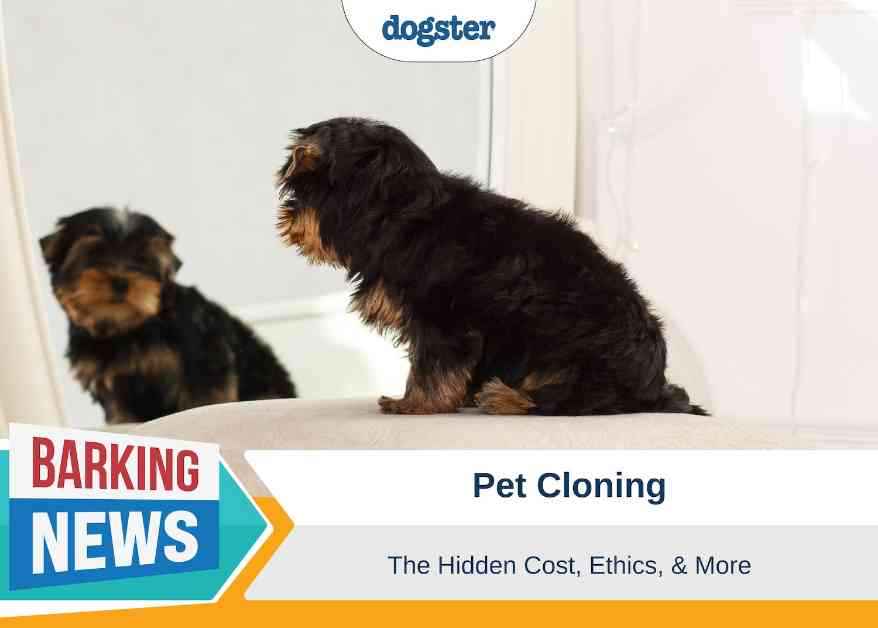
In 1996, the world was introduced to Dolly the sheep, the first successful cloned mammal, sparking a wave of ethical and scientific discussions. Fast forward to 2025, and pet cloning has become a reality, allowing pet owners the opportunity to extend their time with beloved animals beyond the typical lifespan. However, the hefty price tag of around $50,000 raises questions about the true cost of pet cloning, particularly concerning the well-being of the animals involved in the process.
Unveiling the Process Behind the Scenes
While the concept of pet cloning may seem like a magical solution for grieving pet owners, the reality behind the scenes is not as glamorous as it may appear. Delving into the depths of pet cloning websites, one may come across vague descriptions of the egg donors and surrogate mothers essential for the cloning process. Questions arise regarding the origin of these animals, their living conditions, and what happens to them after their role in creating cloned pets is fulfilled.
In an effort to shed light on these crucial inquiries, a conversation with Lauren Aston from Viagen, a prominent pet cloning company in the US, revealed some insightful details. Lauren explained that Viagen Pets collaborates with dog and cat breeders to source surrogate mothers for their cloning services. The surrogate animals are carefully selected to produce a single litter before being rehomed through adoption agencies, ensuring their well-being beyond their role as surrogates.
The Process of Cloning Unveiled
The intricate process of cloning a pet involves in vitro fertilization procedures where multiple embryos are transferred into the surrogate mother to increase the chances of a successful pregnancy. While natural deliveries are preferred for safety reasons, cesarean sections are performed when necessary to ensure the well-being of both the mother and the puppies. In cases where multiple embryos survive to birth, Viagen assists in finding suitable homes for any additional puppies that the client may not wish to keep.
The early stages of a cloned puppy’s life play a crucial role in shaping their temperament and behavior. Lauren Aston shared that Viagen provides a nurturing environment for the puppies, including a “puppy playhouse” where they are exposed to various stimuli to facilitate socialization. Despite the controlled environment, it is essential to recognize that each cloned pet is an individual with unique experiences that influence their personality and behavior.
The Truth About Pet Cloning
While the allure of having a genetic copy of a beloved pet may be enticing, it is essential to understand the realities of pet cloning. Cloned pets may resemble the original animal in appearance, but subtle differences can occur due to maternal influences during gestation. Additionally, while cloned pets may exhibit similar traits and mannerisms to the original, their personalities are shaped by their individual experiences and socialization.
The process of pet cloning involves multiple animals, including egg donors and surrogate mothers, highlighting the complexity and ethical considerations involved in creating cloned pets. As advancements in technology continue to blur the lines between science fiction and reality, pet owners must weigh the emotional benefits of pet cloning against the ethical implications and the well-being of the animals involved in the process. Understanding the true cost of pet cloning extends beyond the financial investment, encompassing the lives and welfare of the animals that make this remarkable feat possible.