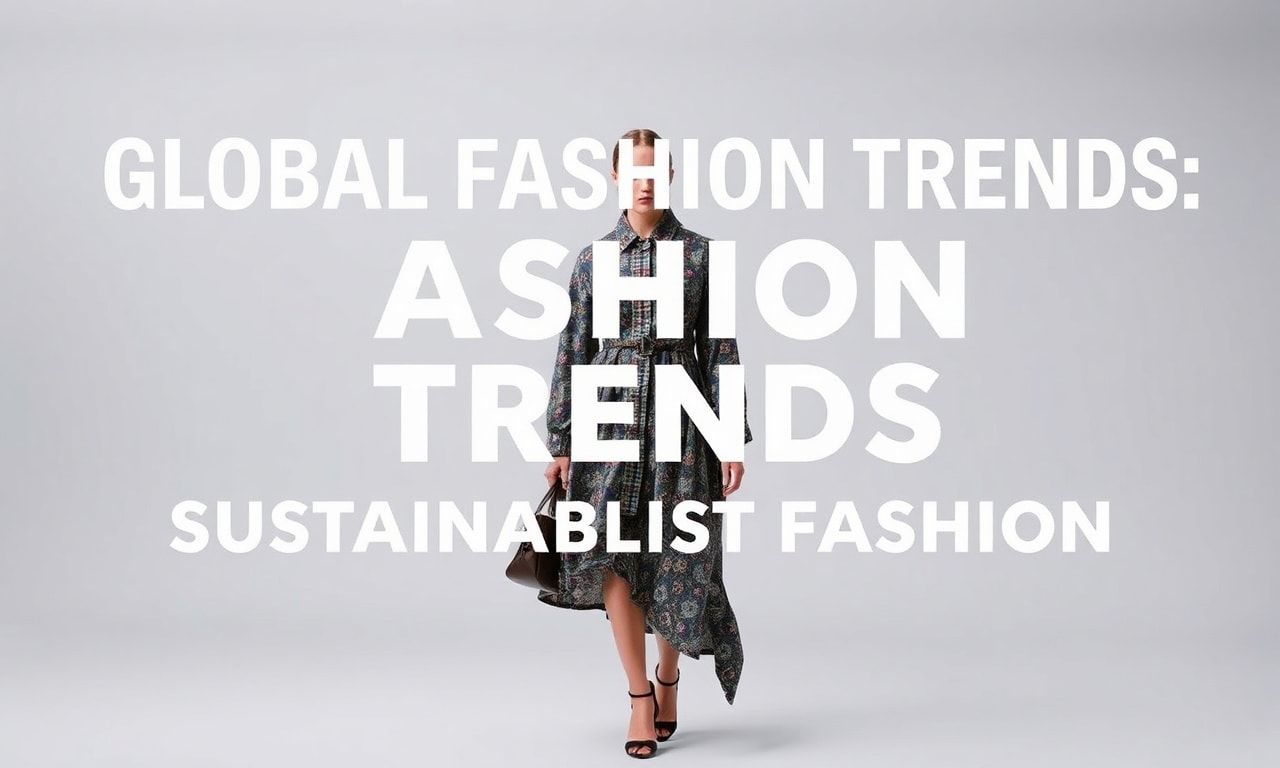
The Evolution of Fashion in a Changing World
The fashion industry is undergoing a significant transformation, driven by a growing awareness of environmental issues and a shift towards sustainability. As we look ahead to 2026, experts predict a surge in eco-friendly fashion trends that prioritize both style and sustainability. This shift is not only reshaping the way we dress but also influencing how we perceive and interact with the fashion industry.
Consumers are increasingly demanding transparency and accountability from brands, pushing designers to adopt more sustainable practices. From the use of recycled materials to innovative production techniques, the fashion world is embracing change. This article explores the future of fashion, highlighting key trends and the role of sustainability in shaping the industry’s trajectory.
The Rise of Sustainable Materials
One of the most significant changes in the fashion industry is the move towards sustainable materials. Designers are increasingly turning to eco-friendly fabrics such as organic cotton, hemp, and recycled polyester. These materials not only reduce the environmental impact but also offer unique textures and qualities that appeal to modern consumers.
In addition to natural fibers, synthetic materials are being reimagined with sustainability in mind. Innovations in technology have led to the development of biodegradable fabrics and dyes that minimize harm to the environment. Brands are also exploring the use of upcycled materials, transforming waste into stylish, high-quality garments. This trend is expected to gain momentum in the coming years, as consumers become more conscious of their environmental footprint.
Innovative Production Techniques
The fashion industry is also witnessing a revolution in production techniques. Traditional methods of manufacturing are being replaced by more sustainable alternatives. For instance, 3D printing technology is being used to create custom-fit clothing, reducing waste and improving efficiency. Similarly, waterless dyeing techniques are gaining popularity, significantly cutting down on water usage and pollution.
Another notable trend is the adoption of circular fashion practices. This approach focuses on creating a closed-loop system where materials are continuously reused and recycled. By designing garments that can be easily disassembled and repurposed, brands are extending the lifecycle of their products and reducing waste. This shift towards circularity is expected to become a standard practice in the industry by 2026.
The Influence of Technology on Fashion
Technology is playing a pivotal role in shaping the future of fashion. From virtual try-on apps to AI-driven design tools, technology is enhancing the way we shop and interact with fashion. These innovations not only improve the consumer experience but also contribute to sustainability efforts by reducing the need for physical samples and minimizing returns.
Virtual reality (VR) and augmented reality (AR) are transforming the way we shop for clothes. Consumers can now try on outfits virtually, reducing the need for physical try-ons and minimizing the environmental impact of returns. Additionally, AI algorithms are being used to analyze consumer preferences and predict trends, helping brands create more sustainable and desirable products. These technological advancements are expected to become more prevalent in the coming years, further integrating sustainability into the fashion ecosystem.
Styling Guide für Frühlingskleider 2026
As we look ahead to the spring fashion trends of 2026, sustainability remains at the forefront. Designers are focusing on creating versatile, timeless pieces that can be easily mixed and matched. This approach not only reduces the need for a large wardrobe but also encourages a more mindful approach to fashion. For those looking to stay ahead of the trends, the Styling Guide für Frühlingskleider 2026 offers valuable insights into the latest sustainable fashion trends and styling tips.
The guide highlights the importance of investing in high-quality, durable pieces that can withstand the test of time. It also emphasizes the role of accessories in elevating an outfit, allowing consumers to create multiple looks with a minimal wardrobe. By adopting these styling principles, consumers can enjoy fashionable, sustainable outfits that align with their values and lifestyle.
The Role of Consumers in Driving Change
Consumers play a crucial role in shaping the future of fashion. By making informed choices and supporting sustainable brands, they can drive demand for eco-friendly practices. This collective action is essential for creating a more sustainable fashion industry.
One way consumers can make a difference is by choosing to buy from brands that prioritize sustainability. By supporting these brands, consumers send a clear message to the industry that sustainability matters. Additionally, consumers can extend the life of their garments by repairing, swapping, or donating them, reducing the need for new purchases. These small actions can have a significant impact on the environment and contribute to a more sustainable future.
Educating the Next Generation
Education is key to fostering a culture of sustainability in the fashion industry. By raising awareness and promoting sustainable practices, we can inspire the next generation of designers, consumers, and industry leaders to prioritize sustainability. This collective effort is essential for creating a more sustainable and equitable fashion industry.
Schools and universities are increasingly incorporating sustainability into their fashion curricula, preparing students to tackle the challenges of the industry. Additionally, organizations and initiatives are emerging to promote sustainable fashion practices and support emerging designers. By investing in education and innovation, we can create a more sustainable future for the fashion industry.
Conclusion
The future of fashion is bright, with sustainability at its core. As consumers, designers, and industry leaders come together to prioritize eco-friendly practices, we can create a more sustainable and equitable fashion industry. By embracing innovative materials, production techniques, and technologies, we can reduce our environmental impact and create a more stylish, sustainable future.
As we look ahead to 2026 and beyond, the fashion industry is poised for significant change. By staying informed and making conscious choices, we can all contribute to a more sustainable and stylish world.