Introduction
Public transportation systems around the world are undergoing significant transformations, driven by technological advancements and a growing emphasis on sustainability. This article explores the latest innovations in public transportation, highlighting key developments and their impact on urban mobility.
Technological Advancements
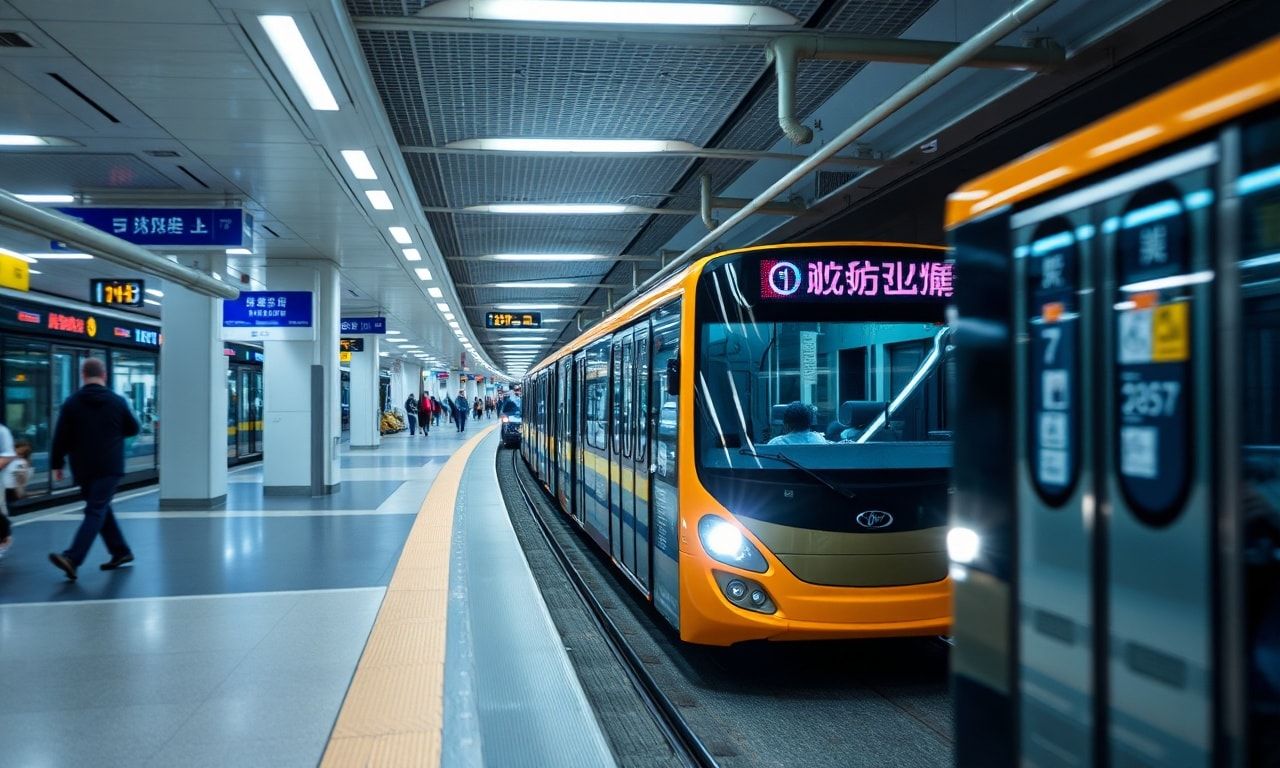
The integration of cutting-edge technology has revolutionized public transportation. Smart cards and mobile applications have streamlined ticketing processes, making commuting more convenient. Additionally, real-time tracking systems provide passengers with up-to-date information on bus and train arrivals, enhancing the overall travel experience.
One notable example is the implementation of autonomous vehicles in several cities. These self-driving buses and shuttles are being tested to improve efficiency and reduce human error. For instance, the London transport schedule update includes trials of autonomous buses, aiming to enhance the city’s public transport network.
Sustainability Initiatives
Environmental concerns have spurred the adoption of eco-friendly transportation solutions. Electric buses and trams are becoming increasingly common, significantly reducing carbon emissions. Many cities are also investing in bike-sharing programs and pedestrian-friendly infrastructure to promote greener commuting options.
In Scandinavia, the concept of ‘green waves’ has been introduced, where traffic lights are synchronized to allow vehicles to travel through a series of green lights, reducing idling time and fuel consumption. This innovative approach not only improves traffic flow but also contributes to a cleaner environment.
Infrastructure Developments
Major infrastructure projects are being undertaken to accommodate the growing demand for public transportation. High-speed rail networks are expanding, connecting major cities and reducing travel times. For example, China’s high-speed rail network, the world’s largest, continues to grow, facilitating faster and more efficient travel across the country.
In Europe, the development of the Trans-European Transport Network (TEN-T) aims to integrate various modes of transport, including rail, road, and waterways, to create a seamless travel experience. This initiative is expected to boost economic growth and enhance connectivity across the continent.
Challenges and Solutions
Despite these advancements, public transportation systems face several challenges, including funding constraints and increasing passenger numbers. To address these issues, cities are exploring public-private partnerships to secure funding for infrastructure projects. Additionally, the use of data analytics helps optimize routes and schedules, ensuring efficient service delivery.
Innovative solutions such as demand-responsive transport, where vehicles operate based on real-time demand, are also being implemented. This approach not only reduces congestion but also ensures that resources are used more effectively.
Conclusion
The future of public transportation is bright, with numerous innovations and initiatives aimed at improving efficiency, sustainability, and accessibility. As cities continue to grow, the role of public transportation will become even more critical in shaping urban mobility. By embracing technology and sustainable practices, we can create a more connected and environmentally friendly world.
To understand the dynamic changes reshaping one of the world’s most populous cities, explore Shanghai’s evolving urban landscape in our latest feature.
In our latest feature, cities confronting climate challenges, we examine how Lagos and London are navigating the impacts of global warming.
To gain a deeper understanding of Düsseldorf’s dynamic cultural scene, consider exploring Düsseldorf’s rich cultural tapestry in our latest feature.