Neutering and Spay Successes: Dogster’s Dr. Paola Volunteers in Panama
On Saturday, December 14, 2024, Nueva Gorgona, Panama, witnessed a groundbreaking event in animal welfare. A total of 360 cats and 292 dogs underwent spaying and neutering procedures over the weekend, amounting to 652 animals receiving essential care. This initiative aimed to address the overpopulation of both stray and roaming animals, significantly reducing the risks faced by the community.
The Journey to Sustainable Population Management
The efforts to tackle animal overpopulation in Nueva Gorgona began in 2020, spearheaded by Andy Dog Rescue and Sanctuary and Jeannine Nadeau from Mail Boxes Etc. These early pioneers initiated population control campaigns, laying the foundation for sustainable solutions and inspiring broader community involvement. Their proactive approach shed light on the urgent need for accessible local clinics, eventually paving the way for organizations like Spay Panama to join the cause.
Spay Panama: Transforming Animal Welfare
Since its inception in 2001, Spay Panama has been at the forefront of controlling pet overpopulation in Panama, having conducted over 350,000 spay and neuter procedures for dogs and cats. The organization’s core mission revolves around providing affordable and accessible sterilization services in underserved areas, effectively targeting the root causes of stray animal populations. Building on the early groundwork laid by Andy Dog Rescue and Sanctuary, Spay Panama began conducting regular spay and neuter clinics in Nueva Gorgona, becoming an essential part of the community’s strategy to manage stray animals effectively.
A Heartwarming Collaborative Effort
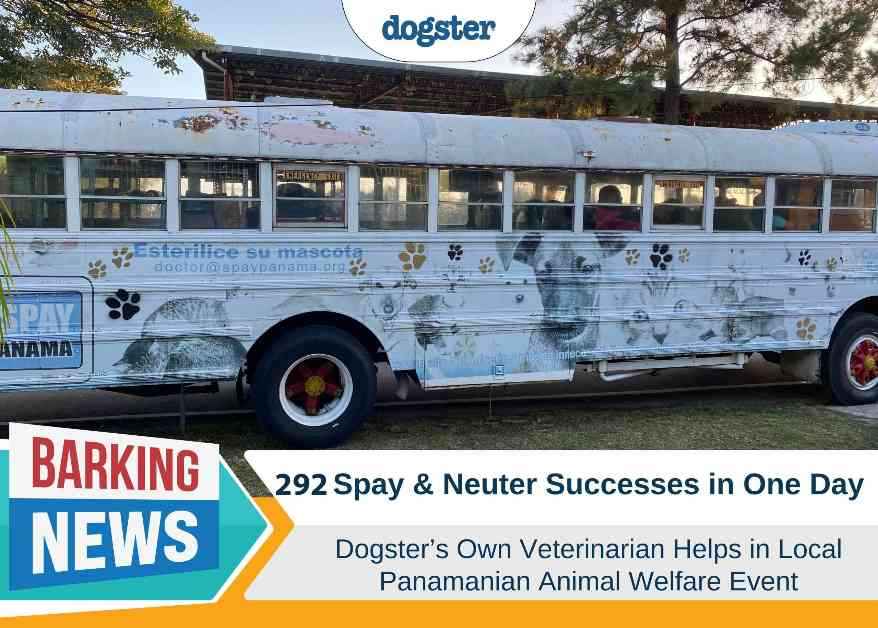
During the recent event in Nueva Gorgona, Spay Panama’s mobile clinic transformed the local public space into a vibrant veterinary clinic, thanks to the collaborative efforts of volunteers and the veterinary team. Dr. Paola, one of the volunteers, shared her experience of providing care to dogs in the recovery area, emphasizing the inspiring unity displayed by the community for animal welfare.
“Seeing so many people come together for the welfare of these dogs is truly inspiring,” said Dr. Paola. “Each procedure is a step toward a healthier, more sustainable community for both people and animals.”
By the end of the weekend, 292 dogs were sterilized, symbolizing a successful partnership between humane organizations, local volunteers, and dedicated pet owners. This achievement highlights the transformative impact of collective action in addressing overpopulation and enhancing the well-being of animals and communities alike.