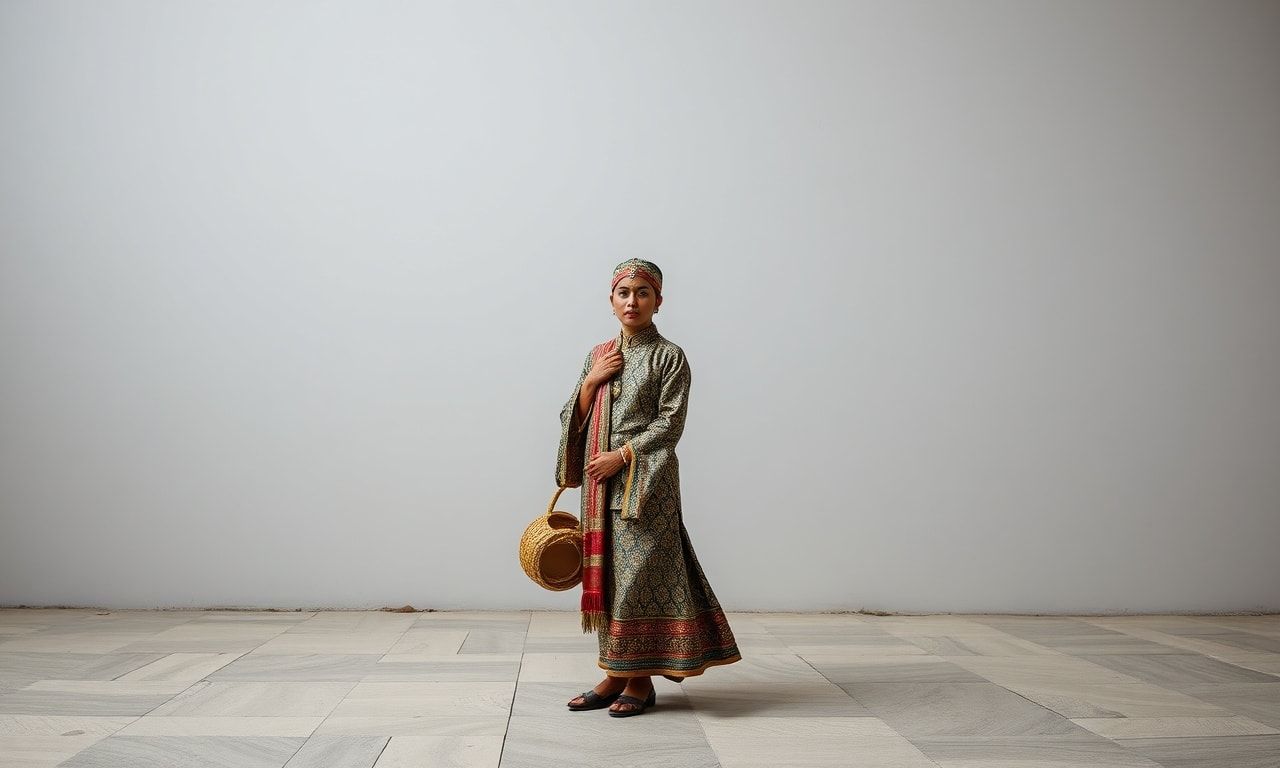
The Resurgence of Traditional Attire
In recent years, there has been a notable resurgence of traditional fashion around the world. This trend is not merely a nostalgic nod to the past but a reflection of a growing appreciation for cultural heritage and sustainability. From kimonos in Japan to saris in India, traditional attire is making a significant comeback in both local and global markets.
This resurgence is driven by several factors, including the rise of cultural tourism, the influence of social media, and a growing interest in sustainable and ethical fashion. As people become more aware of the environmental impact of fast fashion, they are turning to traditional garments that are often handmade and made from natural materials.
The Influence of Cultural Tourism
Cultural tourism has played a pivotal role in the revival of traditional fashion. As more people travel to experience different cultures, they are exposed to and appreciate traditional attire. This has led to an increased demand for authentic garments, which in turn has supported local artisans and craftsmen.
For instance, the kimono, a traditional Japanese garment, has seen a significant revival in recent years. The kimono is not only worn for special occasions but also for everyday wear, thanks to its versatility and elegance. The kimono fashion for travel 2026 is expected to continue this trend, with more people incorporating traditional Japanese attire into their travel wardrobes.
The Role of Social Media
Social media platforms have also played a crucial role in popularizing traditional fashion. Influencers and celebrities often showcase traditional attire, making it more accessible and appealing to a global audience. This has led to a greater appreciation for the craftsmanship and artistry involved in creating traditional garments.
For example, the hashtag #KimonoStyle has gained significant traction on Instagram, with users sharing their own kimono outfits and inspiring others to embrace traditional Japanese fashion. Similarly, the #SariStyle hashtag has become popular, showcasing the versatility and beauty of the Indian sari.
Sustainability and Ethical Fashion
Another key factor driving the resurgence of traditional fashion is the growing interest in sustainability and ethical fashion. Traditional garments are often made from natural materials and are handcrafted, making them more sustainable than mass-produced fast fashion items.
Moreover, traditional fashion supports local economies by providing employment opportunities for artisans and craftsmen. This not only helps to preserve traditional craftsmanship but also promotes economic development in local communities.
The Future of Traditional Fashion
The future of traditional fashion looks promising, with a growing appreciation for cultural heritage and sustainability. As more people embrace traditional attire, it is likely that we will see a greater diversity of styles and designs.
For instance, the kimono fashion for travel 2026 is expected to incorporate more modern elements, making it more accessible and appealing to a wider audience. Similarly, the sari is likely to see a resurgence in popularity, with designers experimenting with new fabrics and patterns.
In conclusion, the resurgence of traditional fashion is a reflection of a growing appreciation for cultural heritage, sustainability, and ethical fashion. As more people embrace traditional attire, it is likely that we will see a greater diversity of styles and designs, enriching our global fashion landscape.
As global fashion trends continue to evolve, traditional attire’s modern influence offers a compelling look at how cultural heritage shapes contemporary style.
In the ever-evolving landscape of cultural trends, exploring the intersection of fashion and entertainment offers a compelling look at their symbiotic relationship.
In the midst of global cultural exchange, our latest feature, exploring Japan’s kimono tradition, offers a unique perspective on the enduring significance of traditional attire in modern society.