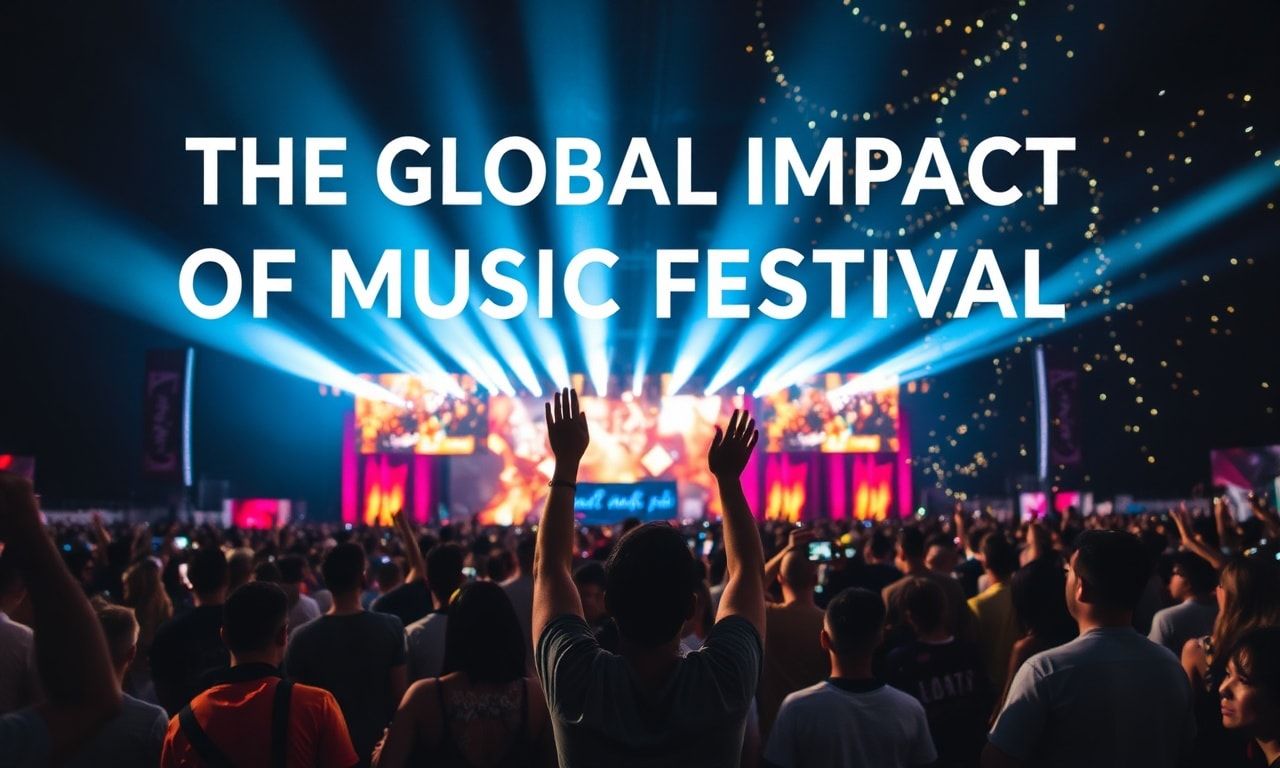
The Rise of Music Festivals Worldwide
Music festivals have become a global phenomenon, transcending cultural boundaries and bringing people together in celebration of art and sound. From the bustling streets of Lagos to the serene landscapes of Europe, these events have evolved into significant cultural and economic drivers. The rise of music festivals can be attributed to a growing desire for communal experiences and the universal language of music.
The Economic Impact of Music Festivals
Music festivals contribute significantly to local and national economies. They generate revenue through ticket sales, merchandise, food and beverage vendors, and tourism. For instance, the Nigeria nightlife entertainment guide highlights how events like the Lagos Carnival and Felabration draw thousands of visitors annually, boosting the local economy. According to industry reports, major festivals can inject millions of dollars into their host cities, supporting jobs and local businesses.
Case Study: Coachella Valley Music and Arts Festival
The Coachella Valley Music and Arts Festival in California is a prime example of a music festival’s economic impact. The event attracts over 250,000 attendees each year, generating an estimated $700 million in economic activity. This includes spending on accommodations, transportation, and local services. The festival also provides a platform for local artists and businesses to showcase their talents and products, further stimulating economic growth.
The Cultural Significance of Music Festivals
Beyond their economic benefits, music festivals play a crucial role in cultural exchange and preservation. They provide a space for diverse artists to share their music and stories, fostering understanding and appreciation among different cultures. Festivals often feature a mix of local and international acts, creating a melting pot of musical styles and traditions.
Preserving Cultural Heritage
Many music festivals are dedicated to preserving and promoting cultural heritage. For example, the Rainforest World Music Festival in Malaysia celebrates the rich musical traditions of indigenous communities. Similarly, the Afro Nation music festival in Portugal brings together African artists and fans from around the world, highlighting the continent’s diverse musical landscape. These events not only entertain but also educate, raising awareness about different cultures and their musical legacies.
The Environmental Impact of Music Festivals
While music festivals bring numerous benefits, they also pose environmental challenges. Large gatherings can lead to waste generation, energy consumption, and carbon emissions. However, many festivals are taking steps to mitigate their environmental impact. Initiatives such as waste reduction programs, renewable energy use, and sustainable transportation options are becoming increasingly common.
Sustainable Practices in Music Festivals
Festivals like Glastonbury in the UK and Shambhala in Canada have implemented comprehensive sustainability plans. These include recycling programs, composting toilets, and the use of solar and wind energy. By adopting these practices, festivals can significantly reduce their environmental footprint and set an example for other large-scale events.
The Future of Music Festivals
The future of music festivals looks promising, with technological advancements and changing consumer preferences driving innovation. Virtual reality (VR) and augmented reality (AR) technologies are being integrated into festival experiences, allowing remote attendees to participate. Additionally, the rise of niche festivals catering to specific musical genres and interests is broadening the appeal of these events.
Innovations in Festival Experiences
Innovations such as interactive stages, immersive art installations, and AI-driven personalization are enhancing the festival experience. These advancements not only attract tech-savvy audiences but also create new opportunities for artists and sponsors. As the industry continues to evolve, music festivals will likely become even more dynamic and inclusive, offering something for everyone.
To understand how nations are adapting to global economic pressures, our latest report Nigeria’s economic navigation offers a detailed analysis of local resilience strategies.
As sports and technology continue to evolve, explore how they are reshaping fan experiences in a new era of engagement.
As cities worldwide grapple with evolving transportation needs, a new article explores how technology is reshaping mobility and the global impact of these changes.