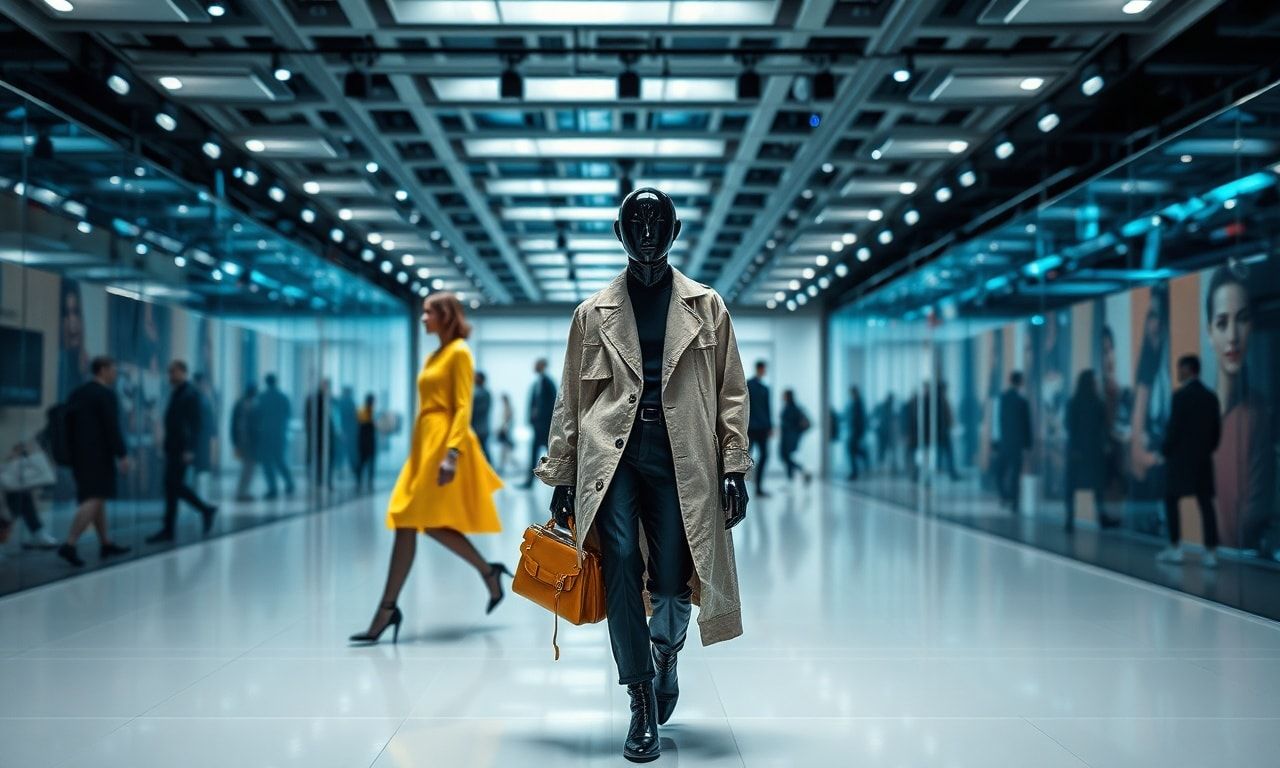
The Evolution of Fashion in the Digital Age
The fashion industry has always been at the forefront of innovation, constantly evolving to meet the demands of a dynamic world. As we look towards the future, the intersection of fashion and technology becomes increasingly apparent. The year 2026 promises to bring about significant changes in how we perceive and interact with clothing. From sustainable materials to smart fabrics, the future of fashion is set to be as exciting as it is unpredictable.
The Rise of Sustainable Fashion
One of the most notable trends expected to dominate the fashion landscape in 2026 is sustainability. As environmental concerns continue to grow, consumers are increasingly seeking out eco-friendly options. Designers are responding by incorporating sustainable materials and ethical practices into their collections. This shift is not only beneficial for the planet but also aligns with the values of a new generation of conscious consumers.
In addition to using sustainable materials, the fashion industry is also exploring innovative ways to reduce waste. For instance, some designers are experimenting with 3D printing technology to create custom-made garments that minimize fabric waste. This approach not only reduces the environmental impact but also allows for greater customization and personalization. As we move towards 2026, we can expect to see more brands adopting these practices, making sustainable fashion the norm rather than the exception.
The Role of Technology in Sustainable Fashion
Technology plays a crucial role in the push towards sustainable fashion. Advances in textile technology have led to the development of fabrics that are not only eco-friendly but also highly functional. For example, some fabrics are now capable of breaking down pollutants in the air, while others can regulate body temperature. These innovations are not only beneficial for the environment but also enhance the overall wearing experience.
Moreover, technology is also being used to improve the transparency of the fashion supply chain. Blockchain technology, for instance, can be used to track the origin of materials and ensure that they are sourced ethically. This level of transparency is increasingly important to consumers who want to make informed decisions about the products they purchase. As we look towards 2026, we can expect to see more brands leveraging technology to enhance their sustainability efforts.
The Impact of Social Media on Fashion Trends
Social media has revolutionized the way we consume fashion. Platforms like Instagram, TikTok, and Pinterest have given rise to a new generation of fashion influencers who shape trends and dictate what is in vogue. In 2026, we can expect social media to play an even more significant role in the fashion industry. Brands will continue to collaborate with influencers to reach a wider audience and stay ahead of the curve.
In addition to influencers, social media platforms are also becoming important tools for brands to engage with their customers. Through platforms like Instagram and TikTok, brands can showcase their latest collections, share behind-the-scenes content, and gather feedback from their audience. This level of interaction not only helps brands stay connected with their customers but also provides valuable insights into emerging trends. As we move towards 2026, we can expect to see more brands leveraging social media to enhance their marketing strategies.
The Future of Fashion Influencers
As social media continues to evolve, so too will the role of fashion influencers. In 2026, we can expect to see a new generation of influencers who are not only stylish but also tech-savvy. These influencers will use virtual reality and augmented reality to create immersive fashion experiences for their followers. For example, they may host virtual fashion shows or allow their followers to try on clothes virtually before making a purchase.
Furthermore, influencers will also play a crucial role in promoting sustainable fashion. As consumers become more conscious of their environmental impact, influencers will use their platforms to educate their followers about the importance of sustainability. They will showcase eco-friendly brands and share tips on how to build a sustainable wardrobe. In 2026, we can expect to see influencers becoming powerful advocates for change in the fashion industry.
The Influence of Cultural Diversity on Fashion
Cultural diversity is another trend that is set to shape the fashion landscape in 2026. As the world becomes more interconnected, fashion is increasingly influenced by a variety of cultures. Designers are drawing inspiration from different parts of the world, creating collections that celebrate diversity and inclusivity. This trend is not only enriching the fashion industry but also promoting cultural exchange and understanding.
In addition to drawing inspiration from different cultures, designers are also collaborating with artisans from around the world. These collaborations not only result in unique and beautiful designs but also provide economic opportunities for artisans in developing countries. As we look towards 2026, we can expect to see more brands embracing cultural diversity and incorporating it into their designs.
The Role of Fashion in Promoting Cultural Exchange
Fashion has always been a powerful tool for promoting cultural exchange. In 2026, we can expect to see more brands using fashion to bridge cultural divides and foster understanding. For example, some brands may host cultural exchange programs that bring together designers from different parts of the world. These programs not only provide a platform for cultural exchange but also result in innovative and unique designs.
Moreover, fashion can also be used to raise awareness about important social issues. In 2026, we can expect to see more brands using their platforms to advocate for social justice and equality. For example, they may collaborate with organizations that promote gender equality or support marginalized communities. By using their influence to promote positive change, brands can make a significant impact on society.
Conclusion
The fashion industry is on the cusp of a significant transformation. As we look towards 2026, we can expect to see a greater emphasis on sustainability, technology, and cultural diversity. These trends will not only shape the way we perceive fashion but also enhance our overall wearing experience. As consumers, it is important to stay informed about these trends and make conscious decisions about the products we purchase. By supporting brands that align with our values, we can contribute to a more sustainable and inclusive fashion industry.
For those looking to stay ahead of the curve, exploring 2026 modası giyim önerileri can provide valuable insights into the latest trends and innovations. By embracing these trends, we can not only enhance our personal style but also contribute to a more sustainable and inclusive fashion industry.
For a deeper understanding of this topic, Sheffield's Cultural Tapestry: A Deep Dive offers valuable insights worth exploring.
For more insights on this topic, you might find The Evolution of Nightwear: From Functional particularly informative.