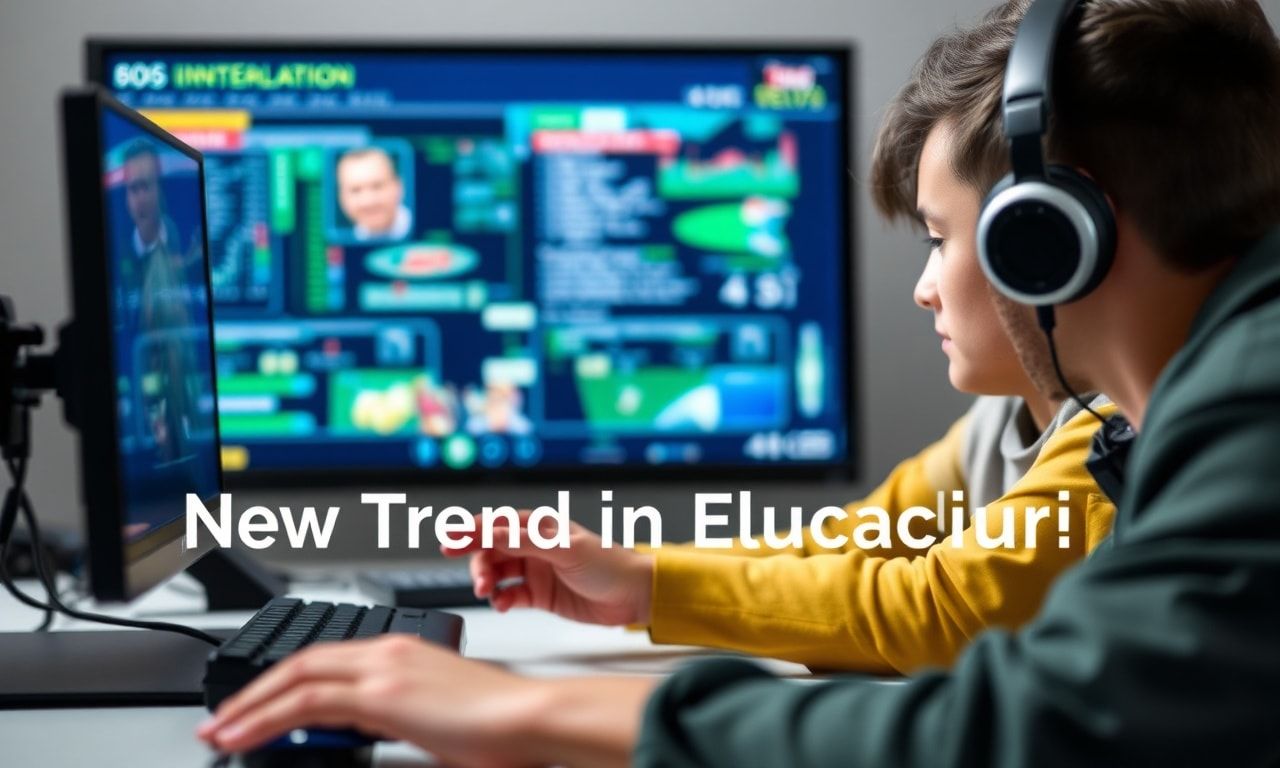
The Rise of Gamification in Learning
The landscape of education is undergoing a significant transformation, with the integration of gaming elements into learning processes. This trend, known as gamification, is gaining traction in both formal and informal educational settings. By leveraging the engaging and interactive nature of games, educators are finding new ways to enhance learning outcomes and student engagement.
The Benefits of Gamification
Gamification in education offers numerous benefits. It makes learning more enjoyable and interactive, which can lead to increased motivation and participation. Students are more likely to retain information when they are actively engaged in the learning process. Additionally, gamification can help develop critical thinking, problem-solving skills, and teamwork, which are essential in the real world.
One of the most notable examples of this trend is the integration of popular games into educational curricula. For instance, games like Minecraft have been used to teach subjects ranging from history to computer science. These games provide a platform where students can explore, create, and learn in a virtual environment that mimics real-world scenarios.
Real-World Applications
The skills acquired through gamified learning are not just confined to the classroom. They have real-world applications that can be beneficial in various professions. For example, strategy games can enhance decision-making skills, while simulation games can provide practical experience in fields like medicine and engineering. This makes gamification a valuable tool for preparing students for future careers.
Moreover, gamification can also be used to teach important life skills such as financial literacy, time management, and communication. By incorporating these elements into games, educators can help students develop a well-rounded skill set that will serve them well in their personal and professional lives.
The Role of Technology
Technology plays a crucial role in the success of gamification in education. Advances in virtual reality (VR), augmented reality (AR), and artificial intelligence (AI) have made it possible to create immersive and interactive learning experiences. These technologies can simulate real-world environments, allowing students to practice and apply what they have learned in a safe and controlled setting.
For instance, VR can be used to create virtual labs where students can conduct experiments without the need for physical equipment. Similarly, AR can overlay digital information onto the real world, providing students with additional context and information. AI can be used to personalize learning experiences, adapting to the individual needs and preferences of each student.
Challenges and Considerations
While gamification offers many benefits, it also comes with its own set of challenges. One of the main concerns is the potential for distraction. Games can be highly engaging, but they can also be a source of distraction if not properly managed. Educators need to ensure that the gaming elements are integrated in a way that supports learning objectives rather than detracting from them.
Another challenge is the digital divide. Not all students have equal access to technology, which can create disparities in learning opportunities. It is important for educators to consider these factors and provide alternative solutions for students who may not have access to the necessary technology.
Additionally, there is a need for more research on the long-term effects of gamification on learning outcomes. While initial studies have shown promising results, more comprehensive research is needed to fully understand the impact of gamification on student performance and development.
Conclusion
The integration of gaming elements into education is a trend that is here to stay. With the right approach, gamification can enhance learning outcomes, engage students, and prepare them for the challenges of the real world. As technology continues to evolve, the possibilities for gamification in education are endless. Educators, policymakers, and technology developers must work together to harness the full potential of gamification and create a more engaging and effective learning environment for all students.
For those interested in exploring the fascinating world of gaming and its impact on education, the interesting facts knowledge guide provides a wealth of information on the subject. This resource offers insights into the latest trends, research, and best practices in gamification, making it a valuable tool for educators and students alike.
As digital competition continues to evolve, explore the gaming and esports crossover that’s redefining the industry.