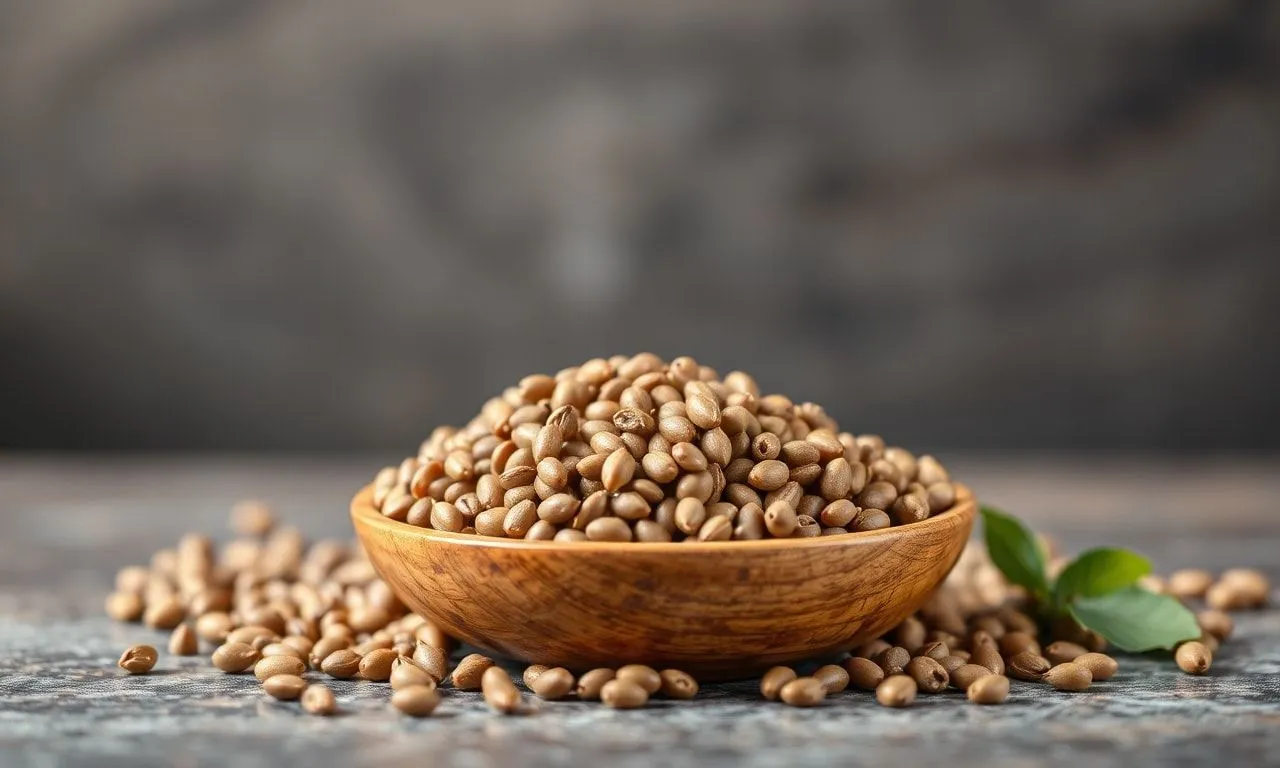
The Versatility of Chia Seeds
Chia seeds, once a staple in ancient Aztec and Mayan diets, have surged in popularity in recent years. These tiny seeds are packed with nutrients, including omega-3 fatty acids, fiber, and protein, making them a favorite among health-conscious consumers. Beyond their nutritional benefits, chia seeds are also gaining traction in various industries, from food production to agriculture. This article explores the multifaceted role of chia seeds in modern society and the economic opportunities they present.
Nutritional Benefits of Chia Seeds
Chia seeds are often hailed as a superfood due to their impressive nutritional profile. They are an excellent source of omega-3 fatty acids, which are essential for heart health and reducing inflammation. Additionally, chia seeds are rich in fiber, which aids in digestion and helps maintain healthy blood sugar levels. They also contain high levels of protein, making them a valuable addition to vegetarian and vegan diets. The seeds are also packed with essential minerals like calcium, magnesium, and phosphorus, which are crucial for bone health and overall well-being.
Health Benefits Highlighted
The health benefits of chia seeds are well-documented. Studies have shown that regular consumption of chia seeds can help lower cholesterol levels, improve cardiovascular health, and even aid in weight management. Their high fiber content promotes a feeling of fullness, which can help curb overeating. Furthermore, chia seeds have a low glycemic index, making them suitable for people with diabetes. The seeds’ ability to absorb liquid and form a gel-like substance also makes them a popular ingredient in smoothies, puddings, and other health-conscious foods.
Chia Seeds in Agriculture
Beyond their nutritional value, chia seeds are also making waves in the agricultural sector. Farmers are increasingly turning to chia seed farming for animal feed due to its high nutritional content and ease of cultivation. The demand for chia seeds has led to a boom in chia seed farming, particularly in regions with suitable climates. This trend is not only beneficial for farmers but also for the environment, as chia plants require less water and fewer pesticides compared to other crops. The rise of chia seed farming has also created new economic opportunities for rural communities, providing a sustainable source of income.
Chia Seed Farming for Animal Feed
One of the most promising applications of chia seeds is in animal feed. The seeds’ high protein and omega-3 content make them an ideal supplement for livestock, improving their overall health and productivity. Farmers are increasingly incorporating chia seeds into animal diets to enhance the nutritional value of meat and dairy products. This practice not only benefits the animals but also the consumers, who can enjoy healthier and more nutritious food products. For more information on chia seed farming for animal feed, visit chia seed farming for animal feed.
Economic Impact of Chia Seeds
The growing popularity of chia seeds has had a significant impact on the global economy. The chia seed market has experienced substantial growth in recent years, driven by increasing consumer awareness of health and wellness. This growth has created new opportunities for farmers, food manufacturers, and retailers. The chia seed industry is expected to continue expanding, with projections indicating a steady increase in demand. This trend is particularly notable in developing countries, where chia seeds are being cultivated as a cash crop. The economic benefits of chia seeds extend beyond the agricultural sector, influencing various industries and contributing to overall economic growth.
Market Trends and Future Prospects
The chia seed market is poised for further growth, with several factors driving its expansion. The increasing demand for plant-based proteins and the growing trend of health-conscious eating are key drivers of this market. Additionally, the rising awareness of the environmental benefits of chia seed farming is contributing to its popularity. As more consumers seek out nutritious and sustainable food options, the demand for chia seeds is likely to continue rising. This trend presents a significant opportunity for investors and entrepreneurs looking to capitalize on the growing chia seed market.
Conclusion
Chia seeds are more than just a nutritional powerhouse; they are a versatile crop with significant economic potential. From their health benefits to their role in agriculture and the global economy, chia seeds are making a substantial impact. As consumer awareness of health and wellness continues to grow, the demand for chia seeds is expected to rise, creating new opportunities for farmers, food manufacturers, and retailers. The future of chia seeds looks bright, and their continued success will depend on sustainable farming practices and innovative applications in various industries.