The Evolving Landscape of Urban Animal Welfare
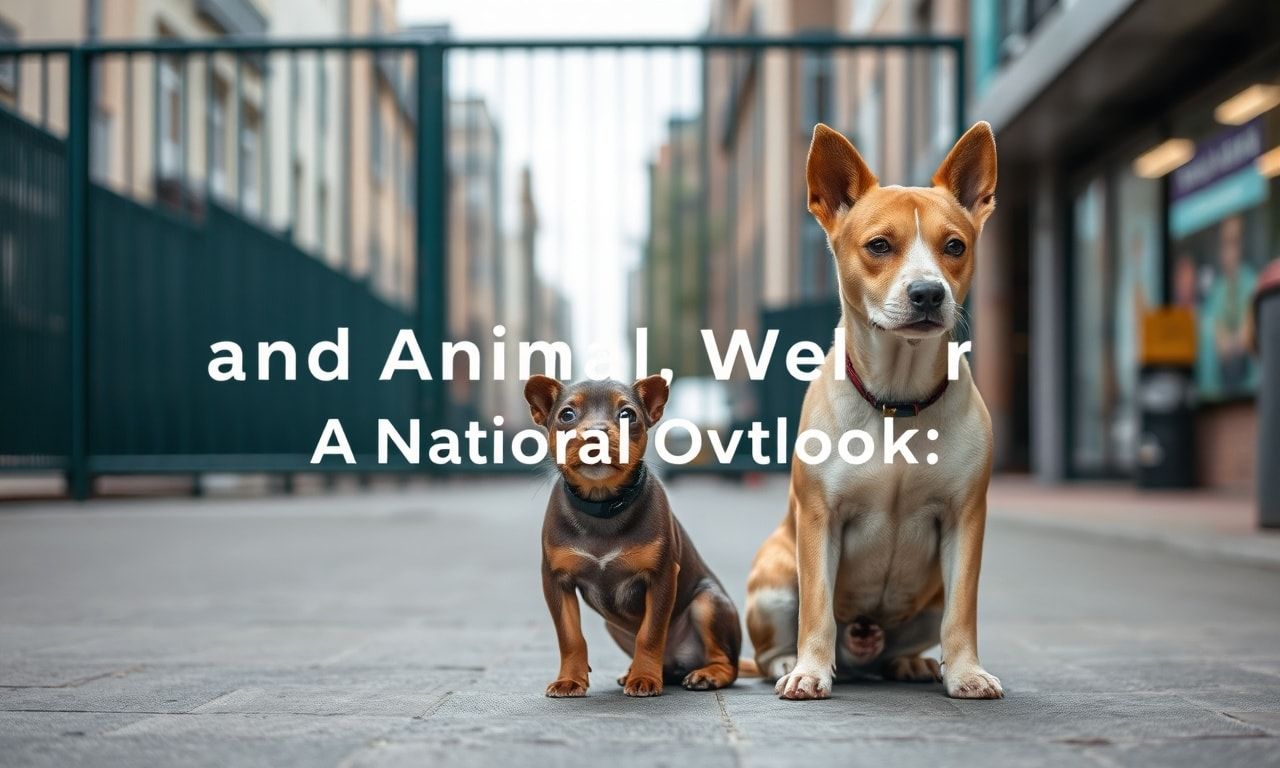
The intersection of urban policy and animal welfare has become a significant focus for cities across the United States. As urban areas continue to grow and evolve, the needs of both residents and their pets are becoming increasingly complex. This article explores the latest developments in urban animal welfare policies, highlighting innovative approaches and the impact they have on communities.
Legislative Changes and Policy Shifts
In recent years, there has been a notable shift in how cities approach animal welfare. From stricter regulations on pet stores to expanded services for low-income pet owners, urban centers are taking a more proactive role in ensuring the well-being of animals. For instance, cities like New York have implemented measures to ban the sale of puppies in pet stores, aiming to combat puppy mills and promote adoption. These changes reflect a broader trend towards more humane and ethical treatment of animals in urban environments.
One of the most significant developments in this area is the increasing focus on spaying and neutering programs. These initiatives are designed to reduce the number of stray animals and improve overall public health. Cities are partnering with local animal shelters and veterinary clinics to offer subsidized or free spaying and neutering services. This collaborative approach not only helps control the animal population but also fosters a sense of community responsibility and engagement.
The Role of Technology in Animal Welfare
Technology is playing a pivotal role in enhancing animal welfare in urban settings. The use of microchipping, GPS tracking, and mobile apps has revolutionized the way cities manage and protect their animal populations. These technological advancements enable quicker reunions of lost pets with their owners and provide real-time data on animal health and welfare. Additionally, social media platforms are being utilized to raise awareness about animal welfare issues and to mobilize community support for various initiatives.
For example, the New York council news decisions update recently highlighted the city’s investment in a new app that allows residents to report animal welfare concerns directly to city officials. This app not only streamlines the reporting process but also ensures that issues are addressed promptly, improving the overall quality of life for both animals and residents.
Community Engagement and Education
Community engagement and education are crucial components of effective animal welfare policies. Cities are increasingly recognizing the importance of involving residents in the development and implementation of these policies. Public forums, workshops, and educational campaigns are being used to inform residents about best practices in pet care, the importance of spaying and neutering, and the benefits of adopting pets from shelters.
These educational efforts are complemented by community outreach programs that provide resources and support to pet owners. For instance, some cities offer free or low-cost pet food and supplies to low-income families, ensuring that financial constraints do not compromise the well-being of pets. By fostering a culture of responsibility and compassion, these initiatives help create a more humane and caring urban environment.
Challenges and Future Directions
Despite the progress made in urban animal welfare, several challenges remain. One of the primary challenges is the lack of funding and resources for animal welfare programs. Many cities struggle to allocate sufficient funds to support these initiatives, which can limit their effectiveness. Additionally, there is a need for more comprehensive data and research to inform policy decisions and measure the impact of these programs.
Looking ahead, the future of urban animal welfare lies in continued innovation and collaboration. Cities must work closely with animal welfare organizations, veterinary professionals, and community leaders to develop and implement effective policies. By leveraging technology, engaging the community, and advocating for adequate funding, cities can create a brighter future for animals and their human companions.
Conclusion
The intersection of urban policy and animal welfare is a dynamic and evolving field. As cities continue to grow and change, the needs of animals and their owners must be addressed through innovative policies and community engagement. By prioritizing animal welfare, cities can create healthier, happier, and more compassionate urban environments for all residents.