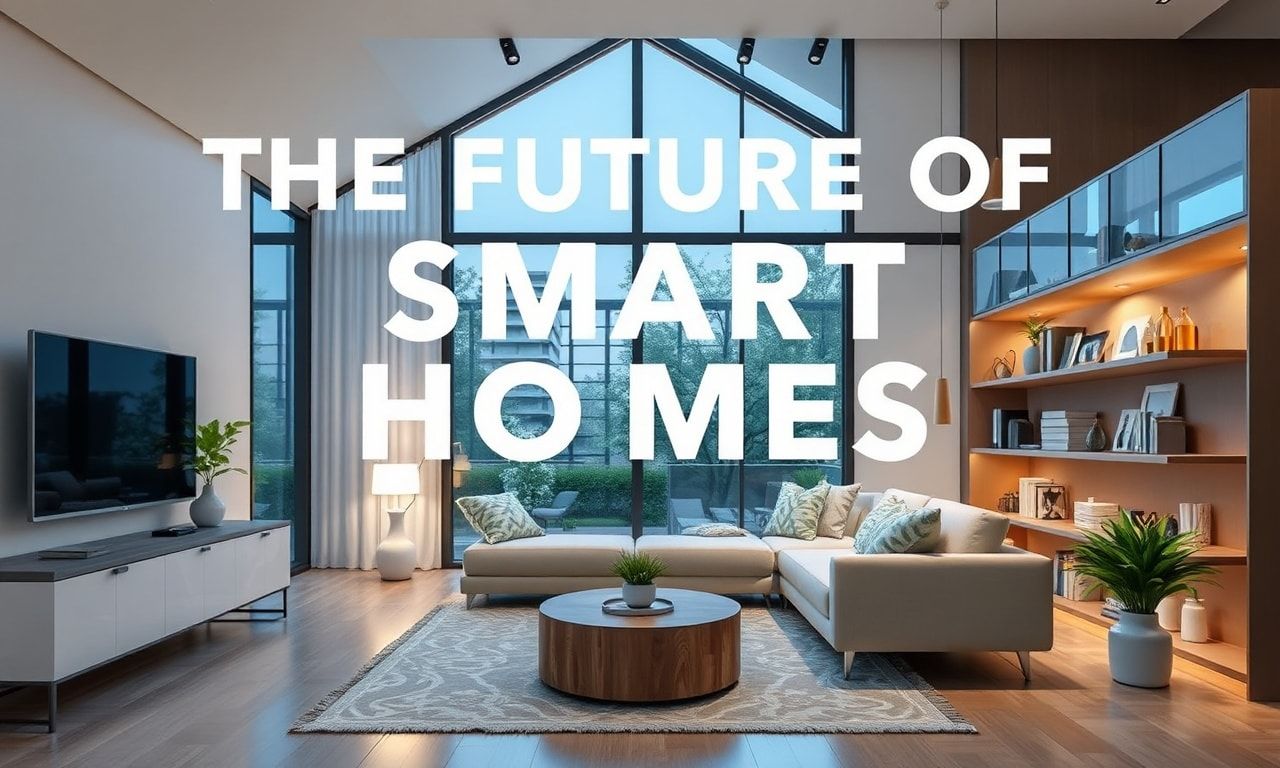
The Evolution of Smart Homes
The concept of smart homes has evolved significantly over the past decade. What once seemed like a futuristic dream is now a reality for many households. Smart home devices have become increasingly sophisticated, offering enhanced convenience, security, and energy efficiency. As we look ahead to 2026, the landscape of smart home technology is poised for even more groundbreaking advancements.
Current Trends in Smart Home Technology
Today, smart home technology encompasses a wide range of devices, from voice-activated assistants to automated lighting and thermostats. The integration of artificial intelligence (AI) and machine learning has enabled these devices to learn user preferences and adapt accordingly. For instance, smart thermostats can now adjust temperatures based on occupancy patterns, while AI-powered security systems can differentiate between familiar and unfamiliar faces.
Another notable trend is the growing emphasis on interoperability. Consumers are increasingly seeking devices that can seamlessly communicate with one another, creating a cohesive smart home ecosystem. This has led to the development of universal standards and protocols, such as Matter, which aim to simplify the integration of various smart home devices.
The Role of Smart Home Devices in Daily Life
Smart home devices have become integral to daily life, offering numerous benefits. For example, smart lighting systems can be programmed to turn on and off at specific times, enhancing security and reducing energy consumption. Similarly, smart appliances, such as refrigerators and washing machines, can be controlled remotely, allowing users to manage their households more efficiently.
In addition to convenience, smart home devices also contribute to sustainability. Energy-efficient devices, such as smart thermostats and lighting systems, can significantly reduce energy usage, lowering utility bills and minimizing environmental impact. As awareness of climate change continues to grow, the demand for eco-friendly smart home solutions is expected to rise.
Predictions for Smart Home Devices in 2026
Looking ahead to 2026, several key trends are likely to shape the future of smart home technology. One of the most significant developments will be the widespread adoption of AI-driven devices. These devices will be capable of anticipating user needs and making proactive adjustments, creating a more personalized and intuitive living experience.
Another area of growth will be the integration of smart home devices with other emerging technologies, such as the Internet of Things (IoT) and 5G networks. This will enable faster and more reliable communication between devices, enhancing their functionality and responsiveness. Additionally, advancements in robotics and automation are expected to lead to the development of more sophisticated smart home assistants, capable of performing a wider range of tasks.
The Impact of Smart Home Devices on Security
Security is a critical aspect of smart home technology, and significant advancements are expected by 2026. AI-powered security systems will become more prevalent, offering enhanced features such as real-time threat detection and automated emergency responses. These systems will be able to identify potential security breaches and take immediate action, such as alerting authorities or activating alarms.
Furthermore, the integration of biometric authentication methods, such as facial recognition and fingerprint scanning, will enhance the security of smart home devices. This will provide users with greater peace of mind, knowing that their homes are protected by advanced security measures.
Challenges and Considerations
Despite the numerous benefits of smart home technology, there are also challenges and considerations to keep in mind. One of the primary concerns is data privacy and security. As smart home devices collect and store vast amounts of personal data, ensuring the protection of this information is paramount. Manufacturers must implement robust security measures to prevent unauthorized access and data breaches.
Another challenge is the potential for technological obsolescence. As smart home technology continues to evolve, older devices may become outdated and incompatible with newer systems. Consumers should consider the long-term compatibility of their smart home devices and invest in solutions that offer regular updates and support.
The Future of Smart Home Devices Review 2026
As we look ahead to 2026, the landscape of smart home technology is set to undergo significant transformations. For a comprehensive overview of the latest trends and predictions, be sure to check out the smart home devices review 2026. This resource provides valuable insights into the future of smart home technology, helping consumers make informed decisions about their smart home investments.
The future of smart homes is bright, with endless possibilities for innovation and advancement. As technology continues to evolve, smart home devices will become even more integral to our daily lives, offering enhanced convenience, security, and sustainability. By staying informed about the latest trends and developments, consumers can make the most of this exciting technology and create a smarter, more connected home.
In the realm of urban development and economic growth, Wolfsburg’s tech sector surge offers a compelling case study on the impact of strategic investments and innovation.
In the realm of current environmental activism, Berlin’s climate strike draws crowds highlights significant developments in the push for climate action.
As smart home technology continues to evolve, it’s reshaping the real estate landscape; explore how these innovations influence property values in our latest feature.